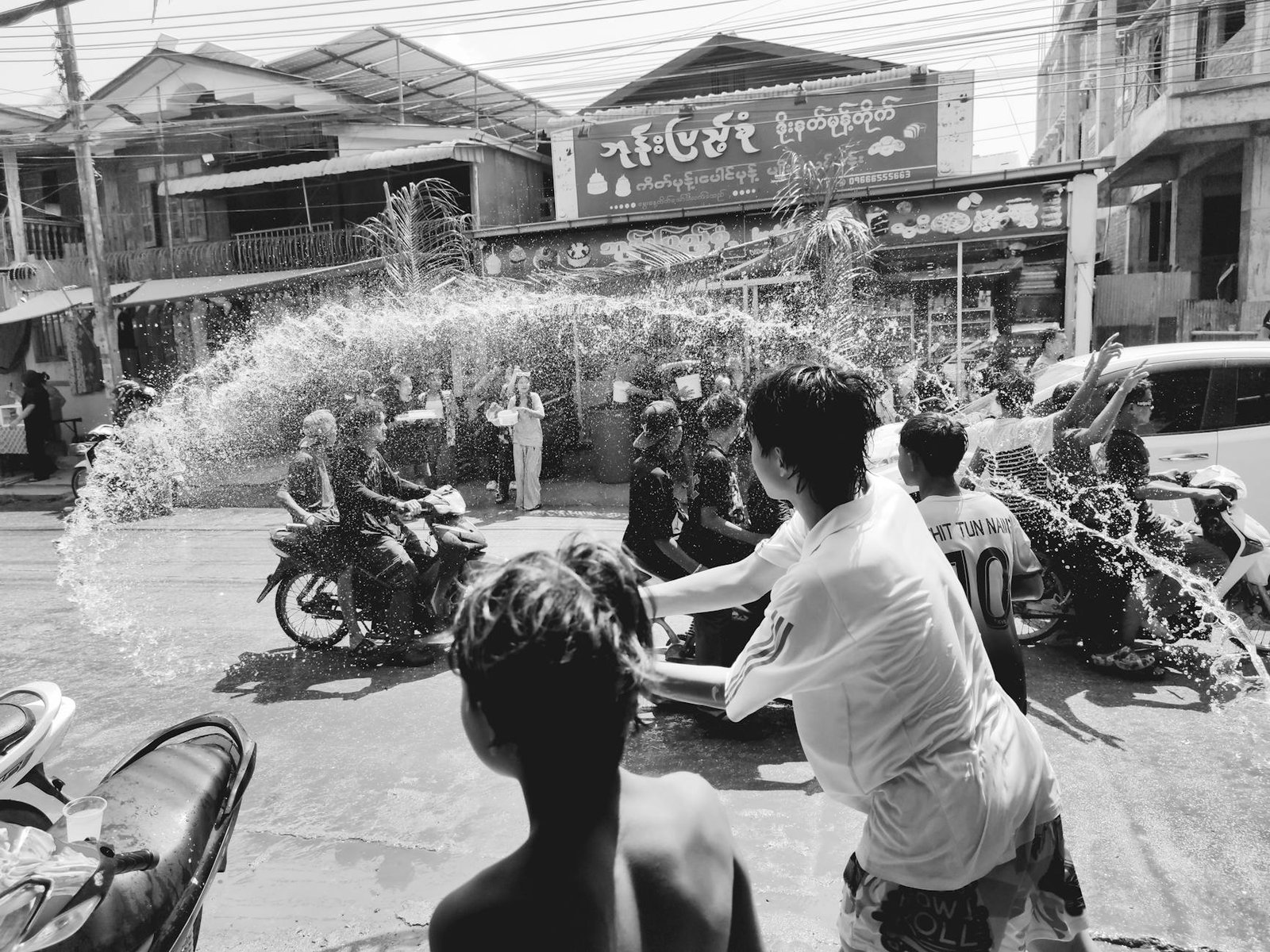
What Is It
Songkran is Thailand's most important festival, marking the traditional Thai New Year and celebrated across the entire country with water-throwing festivities. Originating from ancient Hindu and Buddhist traditions, Songkran symbolizes purification and the washing away of bad luck and negative energy from the past year. The festival has roots dating back centuries, with the word "Songkran" derived from Sanskrit, meaning "astrological passage" or "transformation." In Bangkok, this three-day celebration transforms the city into the world's largest water fight, where locals and tourists engage in spirited water battles using buckets, water guns, and hoses.
Beyond the playful water splashing, Songkran holds deep cultural and spiritual significance in Thai society. Families gather to pay respect to elders by pouring scented water over their hands as a blessing ritual, while merit-making ceremonies at temples are central to the celebration. The festival represents renewal, respect for traditions, and the strengthening of community bonds. In Bangkok specifically, the celebration has evolved into a massive urban festival where entire neighborhoods participate, creating an atmosphere of joy, freedom, and collective celebration that draws millions of visitors annually.
Where & When
Songkran 2026 will take place from April 13-15, with festivities beginning on April 13th and continuing through April 15th. In Bangkok, the main celebration zones include Khao San Road (the epicenter of backpacker water festivities), Silom Road, Sukhumvit Road, and the area around Lumphini Park. Khao San Road is the most famous venue, where thousands gather daily for continuous water battles from early morning until late evening.
Bangkok is accessible via Suvarnabhumi Airport (approximately 30 kilometers east of the city center) and Don Mueang International Airport (25 kilometers north). From either airport, travelers can reach central Bangkok via the Airport Rail Link (approximately 150 baht or €4), BTS Skytrain, or taxi. The BTS Skytrain and MRT subway connect all major celebration areas. Khao San Road is reachable via the Chao Phraya Express Boat or a short walk from various BTS stations. No entry fees are required for any Songkran celebration areas—the festival is completely free and open to the public.
What to Expect
Expect an exhilarating atmosphere of organized chaos, where water-soaked crowds create temporary communities united by playful celebration. The main activities include water gun battles, bucket splashing, water balloon throws, and impromptu parades featuring water trucks spraying crowds. Khao San Road becomes a three-day party with music, DJs, dance floors, and street performers creating an electric energy. Local Thai traditions coexist with modern festivities—you'll witness temple visits and merit-making ceremonies alongside dance parties and costume celebrations.
The food scene during Songkran is exceptional, with street vendors offering traditional treats like sticky mango rice, pad thai, grilled seafood, and mango smoothies at minimal cost. Crowds reach their peak during mid-day hours (11am-4pm), with over 2 million people participating in central Bangkok areas during peak times. Nights offer respite with local night markets, temple illuminations, and smaller-scale celebrations. The atmosphere balances respectful cultural observance with uninhibited celebration—families perform blessing rituals at temples in the morning, while afternoons transform into massive water festivals. Weather is hot and humid (approximately 32-35°C), with frequent water cooling providing relief.
Practical Tips
- Budget Planning: The festival is completely free to attend. Budget only for food (street meals cost 40-100 baht/€1-3), accommodation, and transport. No entry fees exist for any celebration zones.
- Waterproof Everything: Bring a waterproof phone case (available in Bangkok for 100-200 baht/€3-6), waterproof bag for valuables, and wear quick-dry clothing. Avoid bringing expensive items or cameras unless protected.
- Timing Strategy: Visit temples early morning (6-8am) for authentic blessing ceremonies with minimal crowds. Hit Khao San Road in late afternoon (4-7pm) for peak water festivities with better balance of energy and slightly fewer crowds than midday.
- Accommodation: Book hotels immediately—prices increase 50-100% during Songkran. Budget hotels around Khao San Road cost approximately €15-30 per night during festival dates. Alternatively, stay in quieter areas like Ari or Thonglor and take BTS to festivities.
- Transportation Tips: Avoid taxis during peak hours (noon-5pm)—use BTS Skytrain or MRT instead. Purchase a Rabbit Card (reloadable transit card) for seamless travel. Expect traffic congestion; allow extra travel time.
- Respect Protocol: Always ask before splashing elders, monks, or those performing religious ceremonies. Water splashing with strangers is acceptable; it's a form of greeting. Avoid splashing individuals in formal dress attending merit-making ceremonies.
- Safety Precautions: Stay hydrated (purchase water for 10-20 baht/€0.3-0.6), avoid street alcohol consumption, and keep valuables in hotel safes. Pickpocketing increases during crowded hours; use money belts for cash.
Cos'è
Songkran è il festival più importante della Tailandia, che segna il capodanno tailandese tradizionale e viene celebrato in tutto il paese con festività d'acqua. Originario da tradizioni antiche indù e buddhiste, Songkran simboleggia la purificazione e l'allontanamento della sfortuna e dell'energia negativa dell'anno passato. Il festival ha radici che risalgono a secoli fa, con la parola "Songkran" derivata dal sanscrito, significando "passaggio astrologico" o "trasformazione". A Bangkok, questa celebrazione di tre giorni trasforma la città nella più grande battaglia d'acqua del mondo, dove abitanti locali e turisti partecipano a spiritose battaglie acquatiche utilizzando secchi, pistole d'acqua e tubi.
Al di là dello scherzoso lancio d'acqua, Songkran ha un profondo significato culturale e spirituale nella società tailandese. Le famiglie si riuniscono per mostrare rispetto agli anziani versando acqua profumata sulle loro mani come rituale di benedizione, mentre le cerimonie di merito nei templi sono centrali alla celebrazione. Il festival rappresenta rinascita, rispetto per le tradizioni e il rafforzamento dei legami comunitari. A Bangkok specificamente, la celebrazione si è evoluta in un enorme festival urbano dove interi quartieri partecipano, creando un'atmosfera di gioia, libertà e celebrazione collettiva che attrae milioni di visitatori annualmente.
Dove e Quando
Songkran 2026 avrà luogo dal 13-15 aprile, con festività inizianti il 13 aprile e continuanti fino al 15 aprile. A Bangkok, le principali zone celebrative includono Khao San Road (l'epicentro delle festività acquatiche dei backpacker), Silom Road, Sukhumvit Road e l'area intorno a Lumphini Park. Khao San Road è il luogo più famoso, dove migliaia si radunano giornalmente per continue battaglie acquatiche dalla mattina presto fino a tarda sera.
Bangkok è accessibile tramite l'Aeroporto di Suvarnabhumi (approssimativamente 30 chilometri a est del centro città) e l'Aeroporto Internazionale di Don Mueang (25 chilometri a nord). Da entrambi gli aeroporti, i viaggiatori possono raggiungere Bangkok centrale tramite l'Airport Rail Link (approssimativamente 150 baht o €4), BTS Skytrain o taxi. Il BTS Skytrain e la metropolitana MRT collegano tutte le principali aree celebrative. Khao San Road è raggiungibile tramite il battello espresso Chao Phraya o una breve camminata da varie stazioni BTS. Non ci sono tasse d'ingresso per nessuna area celebrativa di Songkran—il festival è completamente gratuito e aperto al pubblico.
Cosa Aspettarsi
Aspettati un'atmosfera esaltante di caos organizzato, dove folle bagnate d'acqua creano comunità temporanee unite da celebrazioni giocose. Le attività principali includono battaglie con pistole d'acqua, lancio di secchi, lanci di palloncini d'acqua e parate improvvisate con camion d'acqua che spruzzano folle. Khao San Road diventa una festa di tre giorni con musica, DJ, piste da ballo e artisti di strada creando un'energia elettrica. Le tradizioni tailandesi locali coesistono con festività moderne—assisterai a visite ai templi e cerimonie di merito accanto a feste danzanti e celebrazioni in costume.
La scena culinaria durante Songkran è eccezionale, con venditori ambulanti che offrono dolcetti tradizionali come riso al mango appiccicaticcio, pad thai, frutti di mare grigliati e frullati di mango a costo minimo. Le folle raggiungono il picco durante le ore diurne (11:00-16:00), con oltre 2 milioni di persone partecipanti nelle aree centrali di Bangkok durante i tempi di picco. Le notti offrono sollievo con mercati notturni locali, illuminazioni dei templi e celebrazioni su piccola scala. L'atmosfera bilancia l'osservanza culturale rispettosa con celebrazione inibita—le famiglie eseguono rituali di benedizione nei templi al mattino, mentre i pomeriggi si trasformano in massivi festival d'acqua. Il tempo è caldo e umido (approssimativamente 32-35°C), con frequente raffreddamento d'acqua che fornisce sollievo.
Consigli Pratici
- Pianificazione del Budget: Il festival è completamente gratuito per partecipare. Fai un budget solo per cibo (i pasti di strada costano 40-100 baht/€1-3), alloggio e trasporto. Non esistono tasse di ingresso per nessuna zona celebrativa.
- Proteggere Tutto dall'Acqua: Porta una custodia impermeabile per telefono (disponibile a Bangkok per 100-200 baht/€3-6), una borsa impermeabile per oggetti di valore e indossa abbigliamento ad asciugatura rapida. Evita di portare articoli costosi o fotocamere a meno che non siano protetti.
- Strategia Temporale: Visita i templi alla mattina presto (6-8:00) per autentiche cerimonie di benedizione con folle minime. Colpisci Khao San Road nel tardo pomeriggio (16:00-19:00) per le festività acquatiche di picco con migliore equilibrio di energia e leggermente meno folle che a mezzogiorno.
- Alloggio: Prenota hotel immediatamente—i prezzi aumentano 50-100% durante Songkran. Gli hotel economici intorno a Khao San Road costano approssimativamente €15-30 per notte durante le date del festival. In alternativa, soggiorna in aree più tranquille come Ari o Thonglor e prendi il BTS verso le festività.
- Consigli di Trasporto: Evita taxi durante le ore di picco (mezzogiorno-17:00)—usa invece BTS Skytrain o MRT. Acquista una Rabbit Card (carta di transito ricaricabile) per viaggi senza interruzioni. Aspettati congestione del traffico; consenti tempo di viaggio extra.
- Protocollo di Rispetto: Chiedi sempre prima di spruzzare anziani, monaci o coloro che eseguono cerimonie religiose. Lo spruzzamento d'acqua con estranei è accettabile; è una forma di saluto. Evita di spruzzare individui in abiti formali che frequentano cerimonie di merito.
- Precauzioni di Sicurezza: Rimani idratato (acquista acqua per 10-20 baht/€0,3-0,6), evita il consumo di alcol da strada e mantieni oggetti di valore nei casseforti dell'hotel. I borseggi aumentano durante le ore affollate; usa cinture per soldi per il contante.
Qué Es
Songkran es el festival más importante de Tailandia, marcando el Año Nuevo tailandés tradicional y celebrado en todo el país con festividades de agua. Originario de tradiciones antiguas hindúes y budistas, Songkran simboliza la purificación y la eliminación de la mala suerte y la energía negativa del año pasado. El festival tiene raíces que se remontan a siglos atrás, con la palabra "Songkran" derivada del sánscrito, significando "paso astrológico" o "transformación". En Bangkok, esta celebración de tres días transforma la ciudad en la batalla de agua más grande del mundo, donde locales y turistas participan en alegres batallas acuáticas utilizando cubos, pistolas de agua y mangueras.
Más allá del juguetón lanzamiento de agua, Songkran tiene un profundo significado cultural y espiritual en la sociedad tailandesa. Las familias se reúnen para mostrar respeto a los ancianos vertiendo agua perfumada sobre sus manos como ritual de bendición, mientras que las ceremonias de mérito en templos son centrales para la celebración. El festival representa renovación, respeto por las tradiciones y el fortalecimiento de los lazos comunitarios. En Bangkok específicamente, la celebración ha evolucionado hacia un enorme festival urbano donde barrios enteros participan, creando una atmósfera de alegría, libertad y celebración colectiva que atrae a millones de visitantes anualmente.
Dónde y Cuándo
Songkran 2026 tendrá lugar del 13-15 de abril, con festividades comenzando el 13 de abril y continuando hasta el 15 de abril. En Bangkok, las principales zonas de celebración incluyen Khao San Road (el epicentro de festividades acuáticas de mochileros), Silom Road, Sukhumvit Road y el área alrededor de Lumphini Park. Khao San Road es el lugar más famoso, donde miles se reúnen diariamente para batallas continuas de agua desde temprano en la mañana
Was Ist Es
Songkran ist das traditionelle thailändische Neujahresfest, das seit Jahrhunderten gefeiert wird. Das Wasserfestival markiert den Übergang vom heißen zum Monsunregen und symbolisiert Reinigung und Neubeginn. Die Feierlichkeiten verbinden buddhistische Rituale mit lebhaften Straßenfeiern, bei denen Menschen mit Wasser bespritzt werden – ein Akt der Segen und des gegenseitigen Respekts. Bangkok verwandelt sich in einen riesigen Spielplatz, wo Millionen von Besuchern und Einheimischen teilnehmen.
Wo und Wann
Songkran findet vom 13. bis 15. April 2026 statt. Die Hauptfeierlichkeiten konzentrieren sich auf die Straßen von Bangkok, besonders in Silom, Khao San Road und Sukhumvit. Der öffentliche Nahverkehr (BTS Skytrain und MRT) verbindet alle Hauptveranstaltungsorte kostenlos oder zu niedrigen Tarifen. Die beste Zeit ist früh morgens oder am Abend, wenn die Menschenmengen überschaubar sind und die Temperaturen erträglicher werden.
Was Erwartet Sie
Erwarten Sie massive Wasserspritzen, bunte Umzüge und traditionelle Tänze. Die Khao San Road wird zur Partymeile mit DJ-Bühnen und Wasserpistolen überall. In Tempeln können Sie an religiösen Zeremonien teilnehmen und Opfergaben machen. Wasserfeste in Parks bieten familienfreundliche Aktivitäten. Street Food und traditionelle Thai-Gerichte sind überall erhältlich. Die Atmosphäre ist ausgelassen und friedlich – perfekt für Kulturaustausch.
Praktische Tipps
- Wasserdichte Kleidung: Tragen Sie schnell trocknende Kleidung und schützen Sie elektronische Geräte mit Plastikbeuteln.
- Früh starten: Kommen Sie vor 10 Uhr morgens an beliebte Orte, um übermäßige Menschenmengen zu vermeiden.
- Respekt vor Tempeln: Tragen Sie angemessene Kleidung und bitten Sie um Erlaubnis vor Fotografie.
- Bargeld mitbringen: Viele kleine Verkäufer akzeptieren nur Bargeld; ATMs können überlastet sein.
- Verkehrsmittel nutzen: Vermeiden Sie Auto fahren; nutzen Sie BTS, MRT oder Taxis um Stau zu umgehen.
O Que E
Songkran é o festival de Ano Novo tailandês tradicional, celebrado há séculos. O festival de água marca a transição da estação quente para a chuva de monção e simboliza purificação e novo começo. As celebrações combinam rituais budistas com festas de rua animadas, onde as pessoas se molham mutuamente – um ato de bênção e respeito mútuo. Bangkok se transforma em um enorme parque de diversões onde milhões de visitantes e moradores locais participam.
Onde e Quando
Songkran ocorre de 13 a 15 de abril de 2026. As principais celebrações concentram-se nas ruas de Bangkok, especialmente em Silom, Khao San Road e Sukhumvit. O transporte público (BTS Skytrain e MRT) conecta todos os locais principais com tarifas baixas ou gratuitas. A melhor hora é no início da manhã ou à noite, quando as multidões são menores e as temperaturas mais toleráveis.
O Que Esperar
Espere espinhos d'água massivos, desfiles coloridos e danças tradicionais. A Khao San Road torna-se uma zona de festa com palcos de DJ e pistolas de água por toda parte. Nos templos, você pode participar de cerimônias religiosas e fazer oferendas. Festivais de água em parques oferecem atividades apropriadas para famílias. Comida de rua e pratos tailandeses tradicionais estão disponíveis em toda parte. A atmosfera é alegre e pacífica.
Dicas Praticas
- Roupa à prova de água: Use roupas que secam rapidamente e proteja dispositivos eletrônicos com sacos plásticos.
- Comece cedo: Chegue aos locais populares antes das 10 da manhã para evitar multidões excessivas.
- Respeito nos templos: Use roupas apropriadas e peça permissão antes de fotografar.
- Traga dinheiro em espécie: Muitos pequenos vendedores aceitam apenas dinheiro; caixas eletrônicos podem estar sobrecarregados.
- Use transporte público: Evite dirigir; use BTS, MRT ou táxis para evitar congestionamento.
Что Это
Сонгкран – традиционный тайский праздник Нового года, отмечаемый на протяжении столетий. Водный фестиваль знаменует переход от жаркого сезона к муссонным дождям и символизирует очищение и новое начало. Праздничные мероприятия сочетают буддийские ритуалы с оживленными уличными торжествами, где люди брызгают друг друга водой – символ благословления и взаимного уважения. Бангкок превращается в огромную игровую площадку, где участвуют миллионы посетителей и местных жителей.
Где и Когда
Сонгкран проходит с 13 по 15 апреля 2026 года. Основные празднования сосредоточены на улицах Бангкока, особенно в районах Силом, Као Сан Роуд и Сукхумвит. Общественный транспорт (BTS Skytrain и MRT) связывает все основные места проведения с низкими или нулевыми тарифами. Лучшее время – раннее утро или вечер, когда толпы меньше и температура более переносима.
Чего Ожидать
Ожидайте мощные водяные брызги, красочные парады и традиционные танцы. Као Сан Роуд превратится в вечеринку с DJ сценами и водяными пистолетами повсюду. В храмах можно участвовать в религиозных церемониях и делать подношения. Водные фестивали в парках предлагают семейные развлечения. Уличная еда и традиционные тайские блюда доступны везде. Атмосфера веселая и мирная.
Практические Советы
- Водонепроницаемая одежда: Носите быстросохнущую одежду и защищайте электронику пластиковыми пакетами.
- Приходите рано: Приезжайте на популярные места до 10 утра, чтобы избежать чрезмерных толп.
- Уважение к храмам: Одевайтесь надлежащим образом и просите разрешение перед фотографированием.
- Возьмите наличные: Многие торговцы принимают только деньги; банкоматы могут быть перегружены.
- Используйте общественный транспорт: Избегайте вождения; используйте BTS, MRT или такси, чтобы избежать пробок.
Що Це
Сонгкран – традиційне тайське свято Нового року, що відзначається протягом століть. Водний фестиваль позначає перехід від гарячого сезону до мусонних дощів і символізує очищення та новий початок. Святкування поєднують буддійські ритуали з жвавими вуличними гуляннями, де люди бризкають один одного водою – знак благословення та взаємної поваги. Бангкок перетворюється на величезний ігровий майданчик, де беруть участь мільйони відвідувачів і місцевих жителів.
Де i Коли
Сонгкран проходить з 13 по 15 квітня 2026 року. Основні святкування сконцентровані на вулицях Бангкока, особливо в районах Сілом, Као Сан Роуд і Сукхумвіт. Громадський транспорт (BTS Skytrain та MRT) з'єднує всі основні місця з низькими або нульовими тарифами. Найкраща пора – рано вранці або ввечері, коли товпи менші і температура більш терпима.
Чого Очiкувати
Очікуйте потужні водяні бризки, барвисті паради та традиційні танці. Као Сан Роуд перетворитися на вечірку з DJ сценами та водяними пістолетами скрізь. У храмах можна брати участь у релігійних церемоніях та робити приношення. Водні фестивалі в парках пропонують сімейні розваги. Вуличне їжа та традиційні тайські страви доступні скрізь. Атмосфера веселяча та миролюбна.
Практичнi Поради
- Водонепроникний одяг: Носіть швидкосохнучий одяг і захищайте електроніку пластиковими пакетами.
- Приходьте рано: Приїжджайте на популярні місця до 10 ранку, щоб уникнути надмірних товп.
- Повага до храмів: Одягайтеся відповідно і просіть дозвіл перед фотографуванням.
- Візьміть готівку: Багато торговців приймають лише гроші; банкомати можуть бути перевантажені.
- Користуйтесь громадським транспортом: Уникайте водіння; користуйтесь BTS, MRT або таксі, щоб уникнути затори.
活动简介
宋干节是泰国传统新年庆典,已有数百年历史。这个水节标志着从炎热季节向季风雨季的过渡,象征净化和新的开始。庆祝活动将佛教仪式与热闹的街道庆祝相结合,人们互相泼水——这是祝福和相互尊重的象征。曼谷变成了一个巨大的游乐场,数百万游客和当地居民参与其中。
地点与时间
宋干节于2026年4月13日至15日举行。主要庆祝活动集中在曼谷街道,特别是在暹罗广场、考山路和素坤逸路。公共交通(BTS天铁和MRT地铁)以低廉或免费的票价连接所有主要活动地点。最佳时间是清晨或傍晚,此时人群较少,气温更易忍受。
期待什么
期待大规模的水花、五彩缤纷的游行和传统舞蹈。考山路变成派对街道,到处都是DJ舞台和水枪。在寺庙中,您可以参加宗教仪式并献祭。公园中的水节提供适合家庭的活动。街头食品和传统泰菜随处可得。氛围欢乐而和平。体验真正的泰国文化与现代庆祝的融合。
实用建议
- 防水衣物:穿着快干衣物,用塑料袋保护电子设备。
- 提早到达:上午10点前到达热门地点,避免过度拥挤。
- 尊重寺庙:着装得体,拍照前请求许可。
- 携带现金:许多小商贩只接受现金;自动取款机可能过载。
- 使用公共交通:避免开车;使用BTS、MRT或出租车以避免交通堵塞。
イベント概要
ソンクラーンはタイの伝統的な新年
Plan your trip to Bangkok, Thailand
Our AI concierge can help you with flights, hotels, restaurants and a complete itinerary.
Start Planning →