What Is It
Gandhi Jayanti celebrates the birth anniversary of Mohandas Karamchand Gandhi, the Father of the Indian Nation, born on October 2, 1869. This national holiday honors his profound contributions to India's independence movement through non-violent resistance and civil disobedience. Gandhi's philosophy of Satyagraha (truth-force) and Ahimsa (non-violence) revolutionized global activism and earned him the title "Mahatma" (Great Soul).
The significance of Gandhi Jayanti extends beyond India's borders, as UNESCO recognizes October 2 as the International Day of Non-Violence worldwide. On this day, Indians pay tribute to Gandhi's ideals of equality, communal harmony, and self-reliance. The observance emphasizes his teachings on simplicity, sustainability, and social justice. Across India, government institutions, schools, and communities organize prayers, flag hoisting ceremonies, speeches, and cultural programs to commemorate his legacy and inspire citizens to uphold democratic values and peaceful coexistence.
Where & When
Date: October 2, 2026 (Friday) – a national holiday across India. Primary Location: Raj Ghat, New Delhi, is the most significant venue where Gandhi was cremated in 1948. The memorial attracts thousands of devotees and dignitaries for the main ceremony.
How to Get There: Delhi is accessible via Indira Gandhi International Airport (DEL), approximately 16 km from central Delhi. From the airport, take the Airport Express Metro (₹100/$1.20 EUR) directly to central Delhi, then local metro or taxi to Raj Ghat (₹50-150/$0.60-1.80 EUR). Alternatively, major Indian cities like Mumbai, Kolkata, and Chennai also host significant commemorations at Sabarmati Ashram (Ahmedabad), Aga Khan Palace (Pune), and local Gandhi memorials. Train networks connect all major cities affordably within India.
What to Expect
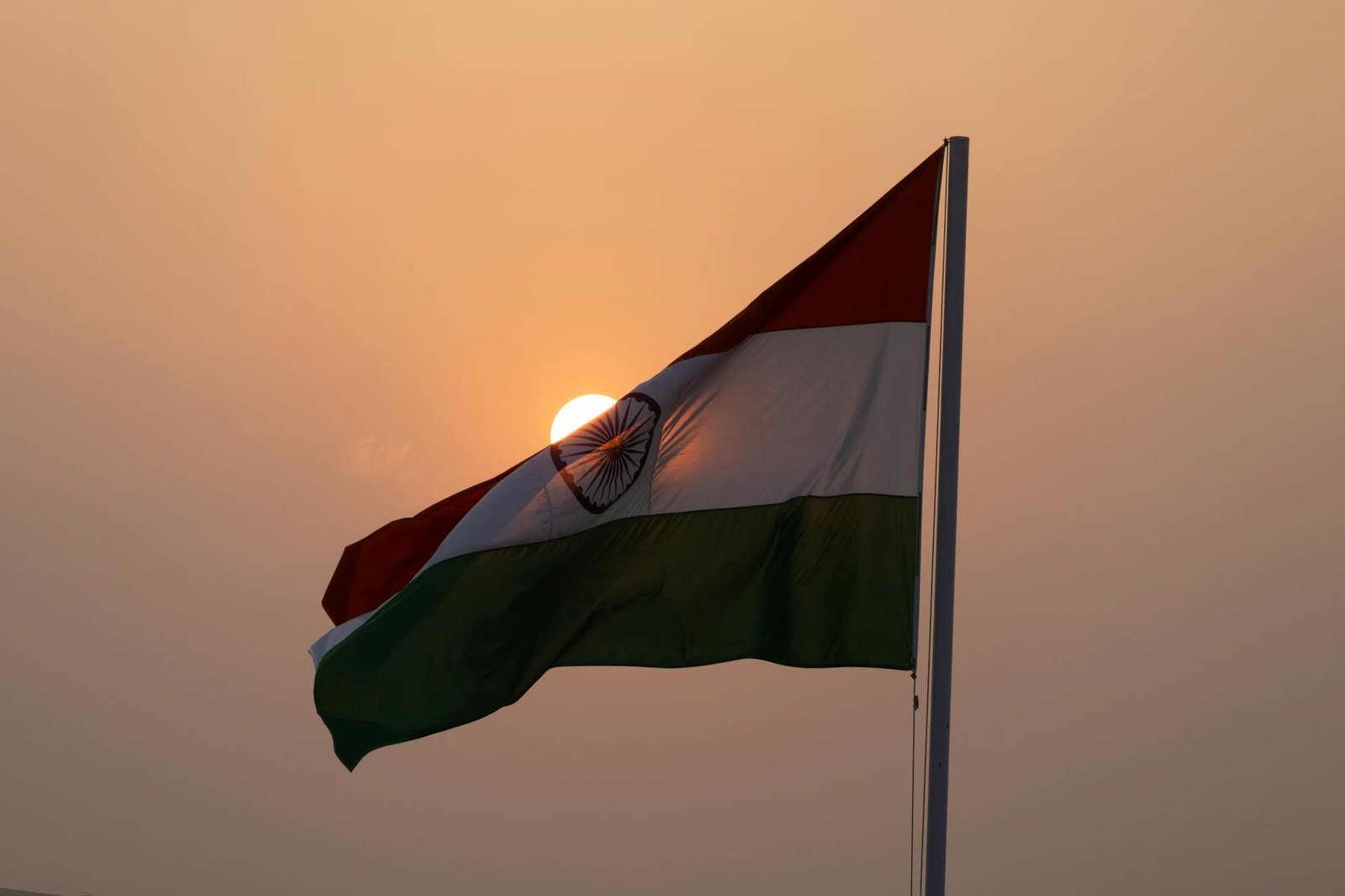
Expect large peaceful gatherings at Raj Ghat starting early morning (6:00 AM onwards) with thousands of pilgrims, schoolchildren, and citizens singing Gandhi's favorite hymn "Raghupati Raghav Raja Ram." The Prime Minister leads the main ceremony, laying floral wreaths and delivering speeches on non-violence and national unity. Government buildings are decorated with the Indian tricolor flag, and the national anthem is performed solemnly.
Throughout India, schools and colleges organize special assemblies, essay competitions, and cultural programs depicting Gandhi's life through skits and songs. Many ashrams (including Sabarmati Ashram in Ahmedabad) open their gates for public visitation with free entry, displaying Gandhi's personal belongings, spinning wheel, and historical photographs. The atmosphere is deeply spiritual yet celebratory, focused on reflection rather than festivity. Traditional Indian sweets and khichdi (simple rice-lentil dish) are distributed in many communities. Crowds are substantial but orderly, as Indians respect the peaceful nature of the commemoration.
Practical Tips
- Budget: Completely free – all events, memorials, and ceremonies are open to the public at no cost. Only expenses are transportation and personal meals.
- Arrive Early: Reach Raj Ghat by 5:30 AM to secure good viewing space, as crowds can exceed 50,000 people by 8:00 AM.
- Dress Code: Wear simple, modest Indian attire or formal clothes. Avoid leather shoes as a sign of respect; many remove footwear at the memorial entrance.
- Transportation: Use Delhi Metro (fastest, ₹30-60/$0.36-0.72 EUR) or pre-book local taxis via Ola/Uber (₹200-400/$2.40-4.80 EUR) to avoid traffic congestion.
- Where to Stay: Budget guesthouses near Delhi cost ₹800-1,500/night ($9.60-18 EUR). Book in advance as rooms fill quickly during national holidays.
- Bring Essentials: Carry water bottles, sunscreen, and a small prayer book. Security checks are thorough; avoid carrying bags larger than 30cm.
- Insider Tip: Visit Sabarmati Ashram in Ahmedabad (450 km away, 7-hour train journey, ₹300-500/$3.60-6 EUR) for a more intimate experience with fewer crowds and museum exhibits showcasing Gandhi's personal history.
Cos'è
Gandhi Jayanti celebra l'anniversario della nascita di Mohandas Karamchand Gandhi, il Padre della Nazione Indiana, nato il 2 ottobre 1869. Questa festa nazionale onora i suoi contributi straordinari al movimento di indipendenza dell'India attraverso la resistenza non-violenta e la disobbedienza civile. La filosofia di Gandhi di Satyagraha (forza della verità) e Ahimsa (non-violenza) ha rivoluzionato l'attivismo globale e gli ha fatto guadagnare il titolo di "Mahatma" (Grande Anima).
Il significato di Gandhi Jayanti si estende oltre i confini dell'India, poiché l'UNESCO riconosce il 2 ottobre come la Giornata Internazionale della Non-Violenza in tutto il mondo. In questo giorno, gli indiani rendono omaggio agli insegnamenti di Gandhi su uguaglianza, armonia comunitaria e autosufficienza. L'osservanza sottolinea i suoi insegnamenti sulla semplicità, la sostenibilità e la giustizia sociale. In tutta l'India, istituzioni governative, scuole e comunità organizzano preghiere, cerimonie di innalzamento della bandiera, discorsi e programmi culturali per commemorare il suo eredità e ispirare i cittadini a mantenere i valori democratici.
Dove e Quando
Data: 2 ottobre 2026 (venerdì) – festa nazionale in tutta l'India. Ubicazione Principale: Raj Ghat, Nuova Delhi, è il luogo più significativo dove Gandhi è stato cremato nel 1948. Il memoriale attira migliaia di devoti e dignitari per la cerimonia principale.
Come Arrivarci: Delhi è accessibile tramite l'Aeroporto Internazionale Indira Gandhi (DEL), a circa 16 km dal centro di Delhi. Dall'aeroporto, prendere l'Airport Express Metro (₹100/1,20 EUR) direttamente al centro di Delhi, poi metro locale o taxi a Raj Ghat (₹50-150/0,60-1,80 EUR). In alternativa, le principali città indiane come Mumbai, Kolkata e Chennai ospitano commemorazioni significative presso Sabarmati Ashram (Ahmedabad), Aga Khan Palace (Pune) e memoriali locali di Gandhi. Le reti ferroviarie collegano tutte le principali città in modo conveniente all'interno dell'India.
Cosa Aspettarsi
Aspettati grandi riunioni pacifiche a Raj Ghat che iniziano al mattino presto (dalle 6:00 in poi) con migliaia di pellegrini, scolari e cittadini che cantano l'inno preferito di Gandhi "Raghupati Raghav Raja Ram". Il Primo Ministro guida la cerimonia principale, deponendo corone di fiori e pronunciando discorsi sulla non-violenza e l'unità nazionale. Gli edifici governativi sono decorati con il tricolore indiano e l'inno nazionale viene eseguito solennemente.
In tutta l'India, scuole e college organizzano assemblee speciali, concorsi di saggi e programmi culturali che raffigurano la vita di Gandhi attraverso sketch e canzoni. Molti ashram (incluso Sabarmati Ashram ad Ahmedabad) aprono i loro cancelli per visite pubbliche con ingresso gratuito, esponendo i beni personali di Gandhi, la ruota filante e fotografie storiche. L'atmosfera è profondamente spirituale ma celebrativa, incentrata sulla riflessione piuttosto che sulla festività. Dolci indiani tradizionali e khichdi (piatto semplice di riso e lenticchie) vengono distribuiti in molte comunità. Le folle sono sostanziali ma ordinate, poiché gli indiani rispettano la natura pacifica della commemorazione.
Consigli Pratici
- Budget: Completamente gratuito – tutti gli eventi, i memoriali e le cerimonie sono aperti al pubblico senza costi. Le uniche spese sono il trasporto e i pasti personali.
- Arrivo Precoce: Raggiungi Raj Ghat entro le 5:30 del mattino per assicurarti un buon spazio di visualizzazione, poiché le folle possono superare 50.000 persone entro le 8:00.
- Codice di Abbigliamento: Indossa abiti indiani semplici e modesti o vestiti formali. Evita scarpe in pelle come segno di rispetto; molti rimuovono le scarpe all'ingresso del memoriale.
- Trasporto: Usa la metropolitana di Delhi (più veloce, ₹30-60/0,36-0,72 EUR) o prenota in anticipo taxi locali tramite Ola/Uber (₹200-400/2,40-4,80 EUR) per evitare congestioni di traffico.
- Dove Stare: Pensioni economiche vicino a Delhi costano ₹800-1.500/notte (9,60-18 EUR). Prenota in anticipo poiché le camere si riempiono rapidamente durante le festività nazionali.
- Porta Essenziali: Porta bottiglie d'acqua, protezione solare e un piccolo libro di preghiere. I controlli di sicurezza sono rigorosi; evita di portare borse più grandi di 30 cm.
- Consiglio Interno: Visita Sabarmati Ashram ad Ahmedabad (450 km di distanza, viaggio in treno di 7 ore, ₹300-500/3,60-6 EUR) per un'esperienza più intima con meno folle e mostre museali che mostrano la storia personale di Gandhi.
Qué Es
Gandhi Jayanti celebra el aniversario del nacimiento de Mohandas Karamchand Gandhi, el Padre de la Nación India, nacido el 2 de octubre de 1869. Este feriado nacional honra sus contribuciones extraordinarias al movimiento de independencia de India a través de la resistencia no-violenta y la desobediencia civil. La filosofía de Gandhi de Satyagraha (fuerza de la verdad) e Ahimsa (no-violencia) revolucionó el activismo global y le valió el título de "Mahatma" (Gran Alma).
El significado de Gandhi Jayanti se extiende más allá de las fronteras de India, ya que la UNESCO reconoce el 2 de octubre como el Día Internacional de la No-Violencia en todo el mundo. En este día, los indios rinden homenaje a los enseñanzas de Gandhi sobre igualdad, armonía comunitaria y autosuficiencia. La observancia enfatiza sus enseñanzas sobre simplicidad, sostenibilidad y justicia social. En toda India, instituciones gubernamentales, escuelas y comunidades organizan oraciones, ceremonias de izamiento de bandera, discursos y programas culturales para conmemorar su legado e inspirar a los ciudadanos a mantener valores democráticos.
Dónde y Cuándo
Fecha: 2 de octubre de 2026 (viernes) – feriado nacional en toda India. Ubicación Principal: Raj Ghat, Nueva Delhi, es el lugar más significativo donde Gandhi fue cremado en 1948. El monumento atrae a miles de devotos y dignatarios para la ceremonia principal.
Cómo Llegar: Delhi es accesible a través del Aeropuerto Internacional Indira Gandhi (DEL), aproximadamente a 16 km del centro de Delhi. Desde el aeropuerto, tome el Metro Express del Aeropuerto (₹100/1,20 EUR) directamente al centro de Delhi, luego metro local o taxi a Raj Ghat (₹50-150/0,60-1,80 EUR). Alternativamente, ciudades indias importantes como Mumbai, Kolkata y Chennai también organizan conmemoraciones significativas en Sabarmati Ashram (Ahmedabad), Aga Khan Palace (Pune) y memoriales locales de Gandhi. Las redes ferroviarias conectan todas las ciudades principales de manera asequible dentro de India.
Qué Esperar
Espera grandes reuniones pacíficas en Raj Ghat comenzando temprano en la mañana (desde las 6:00 en adelante) con miles de peregrinos, escolares y ciudadanos cantando el himno favorito de Gandhi "Raghupati Raghav Raja Ram". El Primer Ministro lidera la ceremonia principal, depositando coronas de flores y pronunciando discursos sobre no-violencia y unidad nacional. Los edificios gubernamentales están decorados con la bandera tricolor india, y el himno nacional se interpreta solemnemente.
En toda India, escuelas y colegios organizan asambleas especiales, concursos de ensayos y programas culturales que representan la vida de Gandhi a través de obras de teatro y canciones. Muchos ashrams (incluyendo Sabarmati Ashram en Ahmedabad) abren sus puertas para visitas públicas con entrada gratuita, mostrando pertenencias personales de Gandhi, la rueca de hilar y fotografías históricas. La atmósfera es profundamente espiritual pero celebratoria, enfocada en la reflexión más que en la festividad. Se distribuyen dulces indios tradicionales y khichdi (plato simple de arroz y lentejas) en muchas comunidades. Las multitudes son sustanciales pero ordenadas, ya que los indios respetan la naturaleza pacífica de la conmemoración.
Consejos Prácticos
- Presupuesto: Completamente gratuito – todos los eventos, monumentos y ceremonias están abiertos al público sin costo. Los únicos gastos son transporte y comidas personales.
- Llega Temprano: Llega a Raj Ghat antes de las 5:30 AM para asegurar un buen espacio de visualización
Was Ist Es
Gandhi Jayanti ist ein nationales Feiertag in Indien, der am 2. Oktober gefeiert wird – dem Geburtstag von Mahatma Gandhi. Dieser bedeutsame Tag würdigt das Leben und das Vermächtnis des Anführers der indischen Unabhängigkeitsbewegung. Gandhi, auch als "Bapu" bekannt, führte die gewaltfreie Widerstandsbewegung an, die Indien 1947 zur Unabhängigkeit verhalf. Der Tag ist nicht nur in Indien, sondern auch international als Tag der Gewaltlosigkeit anerkannt. An diesem Datum finden im ganzen Land Gedenkzeremonien, Gebete und kulturelle Veranstaltungen statt.
Wo und Wann
Die Hauptfeierlichkeiten finden in Neu-Delhi statt, besonders am Raj Ghat, Gandhis Gedenkstätte am Yamuna-Fluss. Der Tag wird am 2. Oktober 2026 begangen. Major-Veranstaltungen finden auch in anderen indischen Städten statt, darunter Mumbai, Kolkata, Chennai und Ahmedabad. Raj Ghat ist leicht mit öffentlichen Verkehrsmitteln erreichbar – nehmen Sie die U-Bahn zur Station Rajiv Chowk und gehen Sie etwa 15 Minuten. Taxis und Auto-Rikschas sind ebenfalls verfügbar. Viele Orte sind kostenlos zugänglich für Besucher.
Was Erwartet Sie
Sie können an Gebetszeremonien und Andachten teilnehmen, die von früh morgens beginnen. Es gibt kulturelle Programme mit traditioneller Musik, Tanzaufführungen und Reden über Gandhis Lehren. Der Sabarmati Ashram in Ahmedabad ist offen für Besucher, die mehr über Gandhis Leben erfahren möchten. In verschiedenen Museen werden Ausstellungen zu Gandhis Rolle in der Unabhängigkeitsbewegung gezeigt. Viele Menschen singen das nationale Lied und versammeln sich in Gedanken an die Gewaltlosigkeit. Es ist eine friedliche, nachdenkliche Atmosphäre mit großem spirituellem Wert.
Praktische Tipps
- Früh ankommen: Kommen Sie vor 6 Uhr morgens an Raj Ghat an, da die Veranstaltungen früh beginnen und Menschenmassen zu erwarten sind
- Angemessene Kleidung: Tragen Sie respektvolle, bescheidene Kleidung – bedecken Sie Schultern und Knie
- Kostenlos erkunden: Alle Hauptveranstaltungen sind kostenlos; bringen Sie jedoch kleine Geldbeträge für Spenden mit
- Wasser mitbringen: Es kann heiß sein; bringen Sie eine Wasserflasche und Sonnenschutz mit
- Öffentliche Verkehrsmittel nutzen: Fahren Sie mit der U-Bahn oder dem Bus, da das Parken begrenzt ist und Straßen überfüllt sind
O Que É
Gandhi Jayanti é um feriado nacional na Índia celebrado em 2 de outubro, data de nascimento do Mahatma Gandhi. Este dia significativo honra a vida e o legado do líder do movimento de independência indiano. Gandhi, também conhecido como "Bapu", liderou o movimento de resistência não-violenta que levou a Índia à independência em 1947. O dia é reconhecido internacionalmente como o Dia Internacional da Não-Violência. Em toda a Índia, ocorrem cerimônias memoriais, orações, eventos culturais e reflexões sobre os ensinamentos de paz do Mahatma.
Onde e Quando
As celebrações principais ocorrem em Nova Déli, especialmente no Raj Ghat, o memorial de Gandhi à beira do rio Yamuna. O dia é comemorado em 2 de outubro de 2026. Grandes eventos também acontecem em outras cidades indianas como Mumbai, Calcutá, Chennai e Ahmedabad. Raj Ghat é facilmente acessível por transporte público – pegue o metrô até a estação Rajiv Chowk e caminhe cerca de 15 minutos. Táxis e auto-rickshaws também estão disponíveis. A maioria dos locais é gratuita para visitantes.
O Que Esperar
Você pode participar de cerimônias de oração e devoção que começam no amanhecer. Há programas culturais com música tradicional, apresentações de dança e discursos sobre os ensinamentos de Gandhi. O Sabarmati Ashram em Ahmedabad está aberto para visitantes que desejam aprender mais sobre a vida de Gandhi. Museus apresentam exposições sobre o papel de Gandhi no movimento de independência. Muitas pessoas cantam o hino nacional e se reúnem em pensamento sobre a não-violência. A atmosfera é pacífica e contemplativa, com grande valor espiritual.
Dicas Práticas
- Chegue cedo: Dirija-se a Raj Ghat antes das 6 da manhã, pois os eventos começam cedo e grandes multidões são esperadas
- Roupas apropriadas: Use roupas respeitosas e modestas – cubra os ombros e os joelhos
- Tudo gratuito: Todos os eventos principais são gratuitos; traga pequenas quantias para doações
- Leve água: Pode fazer calor; leve uma garrafa de água e protetor solar
- Use transporte público: Pegue o metrô ou ônibus, pois o estacionamento é limitado e as ruas ficam congestionadas
Что Это
День Ганди (Gandhi Jayanti) – национальный праздник в Индии, отмечаемый 2 октября в честь дня рождения Махатмы Ганди. Этот значимый день чествует жизнь и наследие лидера индийского движения за независимость. Ганди, известный также как "Бапу", возглавил движение ненасильственного сопротивления, которое привело Индию к независимости в 1947 году. День признан международно как Международный день ненасилия. По всей Индии проводятся мемориальные церемонии, молитвы, культурные мероприятия и размышления об учениях Махатмы о мире.
Где и Когда
Основные торжества проходят в Нью-Дели, особенно у Радж-Гхата – мемориала Ганди на берегу реки Ямуна. День отмечается 2 октября 2026 года. Крупные мероприятия также проводятся в других индийских городах: Мумбае, Калькутте, Чарменде и Ахмедабаде. Радж-Гхат легко доступен на общественном транспорте – доехайте на метро до станции Раджив Чоук и прогуляйтесь около 15 минут. Также доступны такси и авто-рикши. Большинство мест свободны для посещения.
Чего Ожидать
Вы можете участвовать в молитвенных церемониях и богослужениях, которые начинаются на рассвете. Проводятся культурные программы с традиционной музыкой, танцевальными представлениями и речами об учениях Ганди. Сабармати Ашрам в Ахмедабаде открыт для посетителей, желающих узнать больше о жизни Ганди. В музеях представлены выставки о роли Ганди в движении за независимость. Многие люди поют национальный гимн и собираются в размышлениях о ненасилии. Атмосфера мирная и созерцательная, с большой духовной ценностью.
Практические Советы
- Приходите рано: Прибудьте в Радж-Гхат до 6 утра, так как мероприятия начинаются рано и ожидаются большие толпы
- Подходящая одежда: Носите скромную и уважительную одежду – закройте плечи и колени
- Всё бесплатно: Все основные мероприятия бесплатны; принесите небольшие суммы для пожертвований
- Возьмите воду: Может быть жарко; возьмите бутылку воды и солнцезащитный крем
- Используйте общественный транспорт: Проехайте на метро или автобусе, так как парковка ограничена и улицы переполнены
Що Це
День Ганді (Gandhi Jayanti) – національне свято в Індії, яке відзначається 2 жовтня на честь дня народження Махатми Ганді. Цей значущий день вшановує життя та спадщину лідера індійського руху за незалежність. Ганді, відомий також як "Батько", очолював рух ненасильницького опору, який привів Індію до незалежності у 1947 році. День визнаний міжнародно як Міжнародний день ненасилля. По всій Індії проводяться меморіальні церемонії, молитви, культурні заходи та роздуми про вчення Махатми про мир.
Де i Коли
Основні святкування проходять у Нью-Делі, особливо біля Радж-Гхата – меморіалу Ганді на березі річки Ямуна. День відзначається 2 жовтня 2026 року. Великі заходи також проводяться в інших індійських містах: Мумбаї, Калькутті, Ченнаї та Ахмедабаді. Радж-Гхат легко доступний громадським транспортом – доїжджайте метро до станції Раджив Чоук і прогуляйтесь близько 15 хвилин. Також доступні таксі та авто-рикші. Більшість місць вільні для відвідування.
Чого Очiкувати
Ви можете брати участь у молитовних церемоніях та богослужіннях, які починаються на світанку. Проводяться культурні програми з традиційною музикою, танцювальними виставами та промовами про вчення Ганді. Сабарматі Ашрам в Ахмедабаді відкритий для відвідувачів, які хочуть дізнатися більше про життя Ганді. В музеях представлені виставки про роль Ганді в русі за незалежність. Багато людей співають національний гімн і збираються у роздумах про ненасилля. Атмосфера миролюбна та споглядальна, з великою духовною цінністю.
Практичнi Поради
- Приходьте рано: Прибудьте в Радж-Гхат до 6 ранку, оскільки заходи починаються рано і очікуються великі натовпи
- Відповідний одяг: Носіть скромний та поважний одяг – закрийте плечі та коліна
- Все безплатно: Усі основні заходи безплатні; принесіть невеликі суми для пожертв
- Візьміть воду: Може бути гарячо; візьміть пляшку води та сонцезахисний крем
- Користуйтеся громадським транспортом: Їжджайте метро або автобусом, оскільки паркування обмежено і вулиці переповнені
活动简介
甘地忌日(Gandhi Jayanti)是印度国家节日,每年10月2日庆祝,纪念圣雄甘地的诞辰。这是对印度独立运动领导人生平和遗产的尊敬纪念。甘地(也被称为"巴普")领导了非暴力抵抗运动,使印度在1947年获得独立。这一天被国际社会认可为国际非暴力日。在印度全国各地,人们举行悼念仪式、祈祷
Plan your trip to India
Our AI concierge can help you with flights, hotels, restaurants and a complete itinerary.
Start Planning →