What Is It
Eid al-Fitr, also known as the "Festival of Breaking the Fast," is one of Islam's two most important holidays, celebrated at the end of Ramadan, the Islamic holy month of fasting. This joyous occasion marks the conclusion of 30 days of dawn-to-dusk fasting and spiritual reflection, commemorating the revelation of the Quran to the Prophet Muhammad. The festival has been observed for over 1,400 years and holds profound religious and cultural significance across the Muslim world.
Eid al-Fitr represents gratitude, forgiveness, and community bonding. Muslims believe the month of Ramadan purifies the soul and strengthens devotion to Allah. The holiday is celebrated with prayers, family gatherings, charitable giving, and festive meals. It's not merely a religious observance but a cultural milestone that brings families and entire communities together, transcending national and ethnic boundaries across the Middle East, North Africa, Southeast Asia, and Muslim diaspora communities worldwide.
Where & When
Eid al-Fitr in 2026 occurs from May 1-3, celebrated simultaneously across all Muslim-majority countries in the Middle East and globally. Prime destinations include Saudi Arabia (Mecca & Medina), Egypt (Cairo), United Arab Emirates (Dubai & Abu Dhabi), Jordan (Amman), Morocco (Marrakech & Fez), Turkey (Istanbul), and Indonesia (Jakarta & Bali).
Major airports serving these regions: Cairo International (CAI) in Egypt, Dubai International (DXB) in UAE, King Abdulaziz International (JED) in Saudi Arabia, and Istanbul Airport (IST) in Turkey. Ground transport includes taxis, ride-sharing apps (Uber, Careem), and local buses. Most celebrations center around mosques, public squares, and family homes. Peak activities occur on morning prayer (around 6-7 AM) followed by festive gatherings throughout the day and evening.
What to Expect
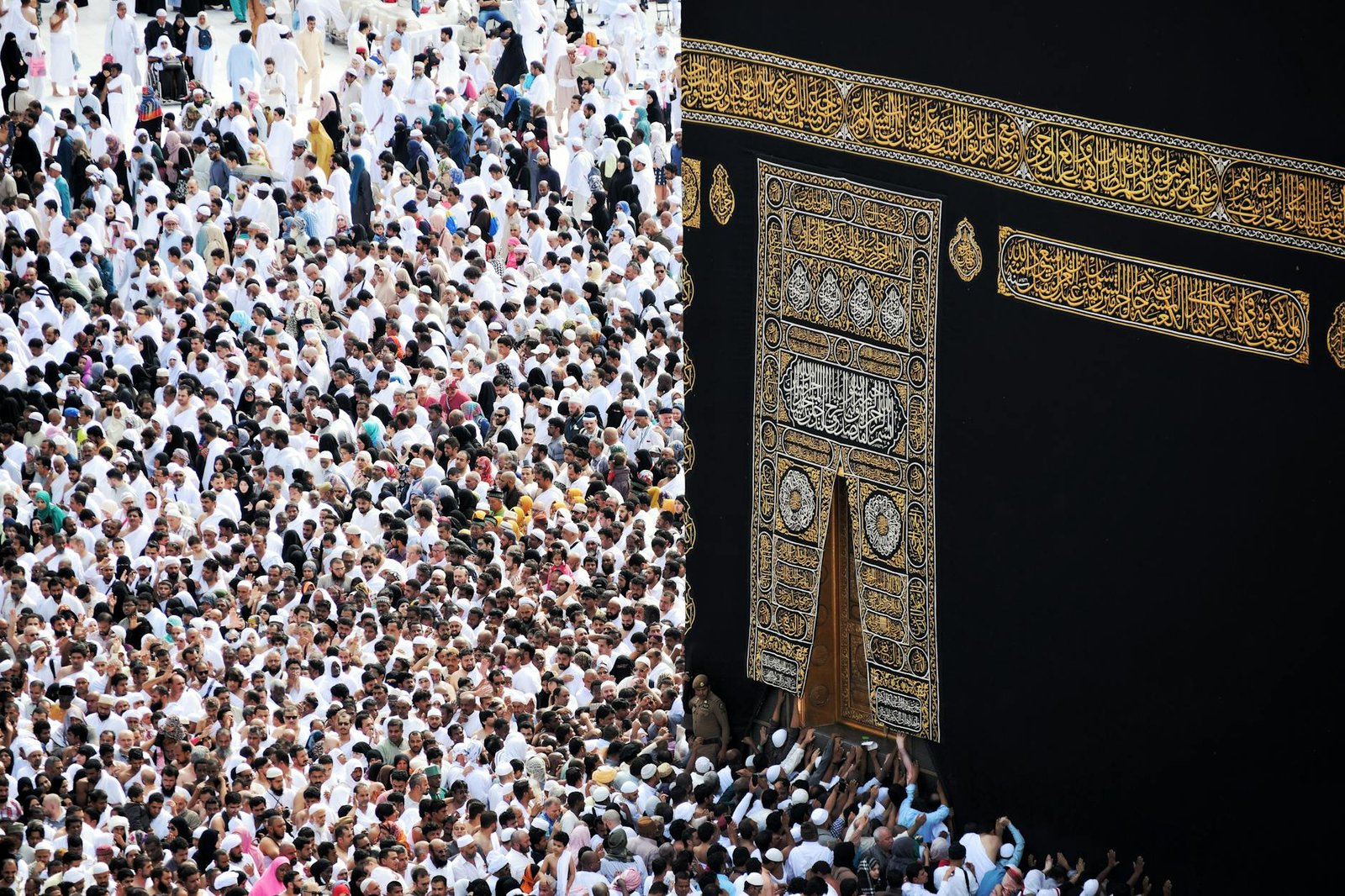
Eid celebrations feature special dawn prayers at mosques and prayer grounds, often attended by hundreds of thousands. The atmosphere is jubilant with families wearing traditional clothing—men in thobes, women in abayas and hijabs, children in colorful festive attire. Streets fill with decorations, colorful lights, and festive markets selling traditional sweets and gifts.
Food is central to celebrations: expect lavish feasts with lamb biryani, kebabs, falafel, hummus, and traditional pastries like baklava and ma'amoul. Cities host carnival rides, bazaars, and cultural performances. Expected crowds range from thousands in smaller towns to over one million in major cities like Cairo and Mecca. The holiday atmosphere is remarkably peaceful and welcoming, with strangers exchanging greetings and embraces. Public holidays mean reduced traffic and closed shops (May 1-2), though tourist areas remain operational. Music, traditional dancing, and fireworks displays light up evenings.
Practical Tips
- Budget: Eid is free to observe; accommodation (€30-150/night depending on location), local transport (€1-5), and food (€5-20/meal) are very affordable
- Dress Code: Wear modest clothing—long pants/skirts and covered shoulders. Women should carry a headscarf for mosque visits
- Booking: Reserve hotels 2-3 months ahead as prices spike 40-60%; flights increase in cost. Book by February for May celebrations
- Timing: Arrive early for dawn prayers (5:30-6:30 AM); main festivities peak morning through evening
- Accommodation: Stay in central areas near mosques; budget hotels in Cairo (€25-40), Dubai (€60-120), Amman (€30-60)
- Respectful Etiquette: Don't eat/drink publicly during dawn hours, even if not fasting; accept food offerings graciously; greet with "Eid Mubarak" (Blessed Eid)
- Insider Tip: Visit local souks (markets) on evening of May 1 for authentic sweets; avoid peak noon hours; use Careem app for reliable transport
Cos'è
Eid al-Fitr, conosciuto come la "Festa della Rottura del Digiuno," è una delle due festività più importanti dell'Islam, celebrata al termine del Ramadan, il mese sacro del digiuno islamico. Questa occasione gioiosa segna la conclusione di 30 giorni di digiuno dall'alba al tramonto e riflessione spirituale, commemorando la rivelazione del Corano al Profeta Maometto. Il festival è stato osservato per oltre 1.400 anni e ha un significato religioso e culturale profondo in tutto il mondo musulmano.
Eid al-Fitr rappresenta gratitudine, perdono e coesione comunitaria. I musulmani credono che il mese di Ramadan purifichi l'anima e rafforzi la devozione ad Allah. La festa si celebra con preghiere, riunioni familiari, donazioni caritatevoli e pasti festivi. Non è semplicemente un'osservanza religiosa ma un evento culturale che unisce le famiglie e intere comunità, trascendendo i confini nazionali ed etnici in Medio Oriente, Nord Africa, Sud-Est Asiatico e nelle comunità diasporiche musulmane in tutto il mondo.
Dove e Quando
Eid al-Fitr nel 2026 si svolge da 1-3 maggio, celebrato simultaneamente in tutti i paesi a maggioranza musulmana del Medio Oriente e a livello mondiale. Destinazioni privilegiate includono Arabia Saudita (La Mecca e Medina), Egitto (Il Cairo), Emirati Arabi Uniti (Dubai e Abu Dhabi), Giordania (Amman), Marocco (Marrakech e Fez), Turchia (Istanbul) e Indonesia (Jakarta e Bali).
Aeroporti principali: Cairo International (CAI) in Egitto, Dubai International (DXB) negli EAU, King Abdulaziz International (JED) in Arabia Saudita, Istanbul Airport (IST) in Turchia. I trasporti locali includono taxi, app di ride-sharing (Uber, Careem) e autobus pubblici. Le celebrazioni si concentrano principalmente presso moschee, piazze pubbliche e case familiari. Le attività di picco si verificano durante la preghiera mattutina (circa 6-7 AM) seguite da festeggiamenti per tutto il giorno e la sera.
Cosa Aspettarsi
Le celebrazioni di Eid presentano speciali preghiere all'alba presso moschee e spazi di preghiera, spesso frequentate da centinaia di migliaia di persone. L'atmosfera è gioiosa con famiglie che indossano vestiti tradizionali—uomini in thoobe, donne in abaya e hijab, bambini in abiti festivi colorati. Le strade si riempiono di decorazioni, luci colorate e mercati festivi che vendono dolci tradizionali e regali.
Il cibo è centrale nelle celebrazioni: aspettati sontuosi banchetti con agnello biryani, kebab, falafel, hummus e pasticcini tradizionali come baklava e ma'amoul. Le città ospitano giostre, bazar e spettacoli culturali. Le folle previste vanno da migliaia nei piccoli centri a oltre un milione nelle grandi città come Il Cairo e La Mecca. L'atmosfera festiva è notevolmente pacifica e accogliente, con estranei che si scambiano saluti e abbracci. Le festività pubbliche significano traffico ridotto e negozi chiusi (1-2 maggio), anche se le aree turistiche rimangono operative. Musica, danze tradizionali e spettacoli pirotecnici illuminano le serate.
Consigli Pratici
- Budget: Eid è libero da osservare; alloggio (€30-150/notte a seconda della località), trasporti locali (€1-5) e cibo (€5-20/pasto) sono molto convenienti
- Abbigliamento: Indossa abiti modesti—pantaloni lunghi/gonne e spalle coperte. Le donne dovrebbero portare un velo per le visite alle moschee
- Prenotazioni: Prenota hotel 2-3 mesi prima poiché i prezzi aumentano del 40-60%; i voli aumentano di prezzo. Prenota entro febbraio per le celebrazioni di maggio
- Tempistica: Arriva presto per le preghiere all'alba (5:30-6:30 AM); le festività principali raggiungono il picco al mattino fino alla sera
- Alloggio: Soggiorna in aree centrali vicino alle moschee; hotel economici al Cairo (€25-40), Dubai (€60-120), Amman (€30-60)
- Etichetta Rispettosa: Non mangiare/bere in pubblico nelle ore mattutine, anche se non digiuni; accetta le offerte di cibo con gratitudine; saluta con "Eid Mubarak" (Eid Benedetto)
- Suggerimento Insider: Visita i souk locali (mercati) la sera del 1 maggio per dolci autentici; evita le ore di picco a mezzogiorno; utilizza l'app Careem per trasporti affidabili
Qué Es
Eid al-Fitr, también conocido como la "Fiesta de la Ruptura del Ayuno," es una de las dos festividades más importantes del Islam, celebrada al final del Ramadán, el mes sagrado del ayuno islámico. Esta ocasión alegre marca la conclusión de 30 días de ayuno desde el amanecer hasta el atardecer y reflexión espiritual, conmemorando la revelación del Corán al Profeta Mahoma. El festival ha sido observado durante más de 1.400 años y tiene un profundo significado religioso y cultural en todo el mundo musulmán.
Eid al-Fitr representa gratitud, perdón y cohesión comunitaria. Los musulmanes creen que el mes de Ramadán purifica el alma y fortalece la devoción a Alá. La festividad se celebra con oraciones, reuniones familiares, donaciones caritativas y comidas festivas. No es simplemente una observancia religiosa sino un hito cultural que une a las familias y comunidades enteras, trascendiendo límites nacionales y étnicos en Oriente Medio, África del Norte, Sudeste Asiático y comunidades de la diáspora musulmana en todo el mundo.
Dónde y Cuándo
Eid al-Fitr en 2026 ocurre del 1-3 de mayo, celebrado simultáneamente en todos los países de mayoría musulmana de Oriente Medio y a nivel mundial. Los destinos privilegiados incluyen Arabia Saudita (La Meca y Medina), Egipto (El Cairo), Emiratos Árabes Unidos (Dubai y Abu Dhabi), Jordania (Amán), Marruecos (Marrakech y Fez), Turquía (Estambul) e Indonesia (Jakarta y Bali).
Aeropuertos principales: Cairo International (CAI) en Egipto, Dubai International (DXB) en EAU, King Abdulaziz International (JED) en Arabia Saudita, Istanbul Airport (IST) en Turquía. El transporte local incluye taxis, aplicaciones de viajes compartidos (Uber, Careem) y autobuses públicos. Las celebraciones se centran en mezquitas, plazas públicas y hogares familiares. Las actividades de mayor actividad ocurren durante la oración matutina (alrededor de 6-7 AM) seguidas de festividades durante todo el día y la noche.
Qué Esperar
Las celebraciones de Eid presentan oraciones especiales al amanecer en mezquitas y espacios de oración, frecuentemente asistidas por cientos de miles de personas. La atmósfera es jubilosa con familias vistiendo ropa tradicional—hombres en thobes, mujeres en abayas e hijabs, niños en trajes festivos coloridos. Las calles se llenan de decoraciones, luces coloridas y mercados festivos que venden dulces tradicionales y regalos.
La comida es central en las celebraciones: espera banquetes lujosos con biryani de cordero, kebabs, falafel, hummus y pasteles tradicionales como baklava y ma'amoul. Las ciudades organizan parques temáticos, bazares y espectáculos culturales. Se esperan multitudes que van desde miles en pueblos pequeños a más de un millón en grandes ciudades como El Cairo y La Meca. La atmósfera festiva es notablemente pacífica y acogedora, con extraños intercambiando saludos y abrazos. Los días festivos públicos significan tráfico reducido y tiendas cerradas (1-2 mayo), aunque las áreas turísticas permanecen operativas. Música, danzas tradicionales y espectáculos de fuegos artificiales iluminan las noches.
Consejos Prácticos
- Presupuesto: Eid es libre de observar; alojamiento (€30-150/noche según ubicación), transporte local (€1-5) y comida (€5-20/comida) son muy asequibles
- Código de Vestimenta: Usa ropa modesta—pantalones/faldas largos y hombros cubiertos. Las mujeres deben llevar un pañuelo para visitas a mezquitas
- Reservas: Reserva hoteles 2-3 meses antes ya que los precios suben 40-60%; los vuelos aumentan de precio. Reserva antes de febrero para las celebraciones de
Was Ist Es
Eid al-Fitr, auch bekannt als das Fest des Fastenbrechens, ist einer der wichtigsten Feiertage im Islam. Er markiert das Ende des Ramadan, des heiligen Fastenmonats. Muslime auf der ganzen Welt feiern diesen Tag mit Familie, Freunden und der Gemeinde. Das Fest hat eine tiefe spirituelle Bedeutung und wird mit Gebeten, festlichen Mahlzeiten und Großzügigkeit begangen. Eid al-Fitr symbolisiert Reinigung, Selbstdisziplin und die Freude am erfolgreichen Abschluss des Ramadan.
Wo und Wann
Eid al-Fitr 2026 findet vom 1. bis 3. Mai statt. Das Fest wird in allen Ländern des Nahen Ostens, Nordafrikas und überall dort gefeiert, wo muslimische Gemeinden leben. Hauptfeierungen finden in Ländern wie Ägypten, Saudi-Arabien, Vereinigte Arabische Emirate, Marokko, Türkei und vielen anderen statt. In großen Städten gibt es zentrale Gebetsplätze und Moscheen, die Tausende von Besuchern anziehen. Öffentliche Verkehrsmittel wie Busse und Züge sind verfügbar, obwohl sie sehr überlastet sein können.
Was Erwartet Sie
Besucher können prächtige Morggebete in Moscheen und auf öffentlichen Plätzen beobachten, wo Tausende versammelt sind. Die Straßen sind festlich geschmückt mit Lichtern und Dekoration. Traditionelle Märkte bieten spezielle Eid-Kleidung, Schmuck und Geschenke. Familien treffen sich zu großzügigen Mahlzeiten mit traditionellen Gerichten. Es gibt Musik, Tanz und kulturelle Aufführungen. Kinder erhalten Geld und Geschenke. Die Atmosphäre ist festlich und voller Freude, Vergebung und Gemeinschaftssinn.
Praktische Tipps
- Respekt zeigen: Tragen Sie bescheidene Kleidung und respektieren Sie religiöse Praktiken und Gebetszeiten.
- Früh ankommen: Besuchen Sie Gebetsplätze früh morgens, da die Menge sehr groß wird.
- Öffentliche Verkehrsmittel nutzen: Der Verkehr kann chaotisch sein; verwenden Sie U-Bahn, Bus oder Taxi.
- Bargeld haben: Viele traditionelle Märkte und Verkäufer akzeptieren nur Bargeld.
- Lokale Führer engagieren: Ein lokaler Guide hilft Ihnen, das Fest authentisch zu verstehen und Kulturschocks zu vermeiden.
O Que E
Eid al-Fitr, também conhecido como a Festa do Rompimento do Jejum, é um dos feriados mais importantes do Islã. Marca o final do Ramadã, o mês sagrado de jejum para os muçulmanos. Este festival é celebrado por milhões de pessoas em todo o mundo com família, amigos e comunidade. A ocasião tem profundo significado espiritual, celebrada com orações especiais, refeições festivas e atos de caridade. Eid al-Fitr representa purificação, autodisciplina e alegria pela conclusão bem-sucedida do Ramadã, um período de reflexão e crescimento espiritual.
Onde e Quando
Eid al-Fitr 2026 ocorre de 1 a 3 de maio. O festival é celebrado em todos os países do Oriente Médio, Norte da África e em qualquer lugar com comunidades muçulmanas significativas. As principais celebrações acontecem no Egito, Arábia Saudita, Emirados Árabes Unidos, Marrocos, Turquia e muitas outras nações. Nas grandes cidades, há praças de oração centrais e mesquitas que atraem milhares de visitantes. O transporte público como ônibus e metrô está disponível, embora frequentemente congestionado durante o festival.
O Que Esperar
Os visitantes podem observar orações matinais majestosas em mesquitas e espaços públicos com multidões de milhares. As ruas são decoradas festivamente com luzes e ornamentos especiais. Mercados tradicionais oferecem roupas Eid, joias e presentes especiais. As famílias se reúnem para refeições generosas com pratos tradicionais deliciosos. Há música, dança e apresentações culturais por toda parte. Crianças recebem dinheiro e presentes. A atmosfera geral é festiva, alegre e preenchida com sentimentos de perdão, gratidão e forte senso de comunidade.
Dicas Praticas
- Demonstre respeito: Use roupas modestas e respeite as práticas religiosas e horários de oração.
- Chegue cedo: Visite locais de oração no início da manhã antes das multidões massivas se formarem.
- Use transporte público: O trânsito pode ser caótico; use metrô, ônibus ou táxi quando possível.
- Leve dinheiro em espécie: Muitos mercados tradicionais e vendedores aceitam apenas dinheiro físico.
- Contrate um guia local: Um guia ajuda você a compreender o festival autenticamente e evitar constrangimentos culturais.
Что Это
Ид аль-Фитр, также известный как Праздник Разговения, является одним из самых важных праздников в исламе. Он отмечает окончание Рамадана, священного месяца поста для мусульман. Этот праздник отмечается миллионами людей по всему миру в кругу семьи, друзей и общины. Событие имеет глубокое духовное значение, отмечаемое специальными молитвами, праздничными трапезами и актами щедрости. Ид аль-Фитр символизирует очищение, самодисциплину и радость от успешного завершения Рамадана.
Где и Когда
Ид аль-Фитр 2026 года проходит с 1 по 3 мая. Праздник отмечается во всех странах Ближнего Востока, Северной Африки и везде, где есть значительные мусульманские общины. Главные торжества происходят в Египте, Саудовской Аравии, Объединенных Арабских Эмиратах, Марокко, Турции и многих других странах. В крупных городах есть центральные молитвенные площади и мечети, привлекающие тысячи посетителей. Общественный транспорт, такой как автобусы и метро, доступен, хотя часто переполнен.
Чего Ожидать
Посетители могут наблюдать величественные утренние молитвы в мечетях и на открытых площадях с тысячами верующих. Улицы украшены праздничными огнями и декорациями. Традиционные базары предлагают специальную одежду Ида, украшения и подарки. Семьи собираются на щедрые трапезы с традиционными блюдами. Повсюду звучит музыка, танцы и культурные представления. Дети получают деньги и подарки. Атмосфера праздничная, наполненная радостью, прощением и чувством общности.
Практические Советы
- Проявляйте уважение: Носите скромную одежду и уважайте религиозные практики и время молитв.
- Приходите рано: Посещайте молитвенные площади с утра, до прихода больших толп.
- Используйте общественный транспорт: Движение может быть хаотичным; используйте метро, автобусы или такси.
- Возьмите наличные: Многие традиционные рынки принимают только наличные платежи.
- Нанимите местного гида: Гид поможет вам аутентично понять праздник и избежать культурных недоразумений.
Що Це
Ід аль-Фітр, також відомий як Свято Розговення, є одним з найважливіших свят в ісламі. Він позначає закінчення Рамадану, священного місяця посту для мусульман. Це свято святкується мільйонами людей по всьому світу в колі сім'ї, друзів та громади. Подія має глибоке духовне значення, відзначена спеціальними молитвами, святковими трапезами та актами щедрості. Ід аль-Фітр символізує очищення, самодисципліну та радість від успішного завершення Рамадану.
Де i Коли
Ід аль-Фітр 2026 року відбувається з 1 по 3 травня. Свято святкується у всіх країнах Близького Сходу, Північної Африки та повсюди, де є значні мусульманські громади. Головні святкування відбуваються в Єгипті, Саудівській Аравії, Об'єднаних Арабських Еміратах, Марокко, Туреччині та багатьох інших країнах. У великих містах є центральні молитовні майданчики та мечеті, які залучають тисячі відвідувачів. Громадський транспорт, такий як автобуси та метро, доступний, хоча часто перевантажений.
Чого Очiкувати
Відвідувачі можуть спостерігати величні ранкові молитви в мечетях та на відкритих площах з тисячами віруючих. Вулиці прикрашені святковим освітленням та декораціями. Традиційні базари пропонують спеціальний одяг Іда, прикраси та подарунки. Сім'ї збираються на щедрі трапези з традиційними стравами. Повсюди звучить музика, танці та культурні представлення. Діти отримують гроші та подарунки. Атмосфера святкова, наповнена радістю, прощенням та почуттям громади.
Практичнi Поради
- Виявляйте повагу: Одягайтеся скромно та поважайте релігійні практики та час молитв.
- Приходьте рано: Відвідайте молитовні площі з ранку, до приходу великих натовпів.
- Користуйтеся громадським транспортом: Рух може бути хаотичним; користуйтеся метро, автобусами чи таксі.
- Візьміть готівку: Багато традиційних ринків приймають тільки готівку.
- Найміть місцевого гіда: Гід допоможе вам автентично зрозуміти свято та уникнути культурних непорозумінь.
活动简介
开斋节(Eid al-Fitr)又称为"断食节",是伊斯兰教最重要的节日之一。它标志着斋月的结束,斋月是穆斯林的神圣禁食时期。全世界数百万人与家人、朋友和社区一起庆祝这个节日。这一盛事具有深远的精神意义,通过特殊祈祷、盛大宴席和慈善行为来纪念。开斋节象征净化、自律和成功完成斋月的喜悦,是反思和精神成长的时刻。
地点与时间
2026年开斋节从5月1日至3日举行。该节日在中东所有国家、北非和所有重要穆斯林社区所在地庆祝。主要庆祝活动在埃及、沙特阿拉伯、阿联酋、摩洛哥、土耳其和许多其他国家举行。在大城市中,有中央祈祷广场和清真寺吸引数千名访客。公共交通如公交车和地铁可用,但通常在节日期间拥挤不堪。
期待什么
游客可以观看清真寺和公开广场上有数千人参加的宏大晨祷。街道装饰着节日灯光和装饰品。传统市场
Plan your trip to Global / Middle East
Our AI concierge can help you with flights, hotels, restaurants and a complete itinerary.
Start Planning →