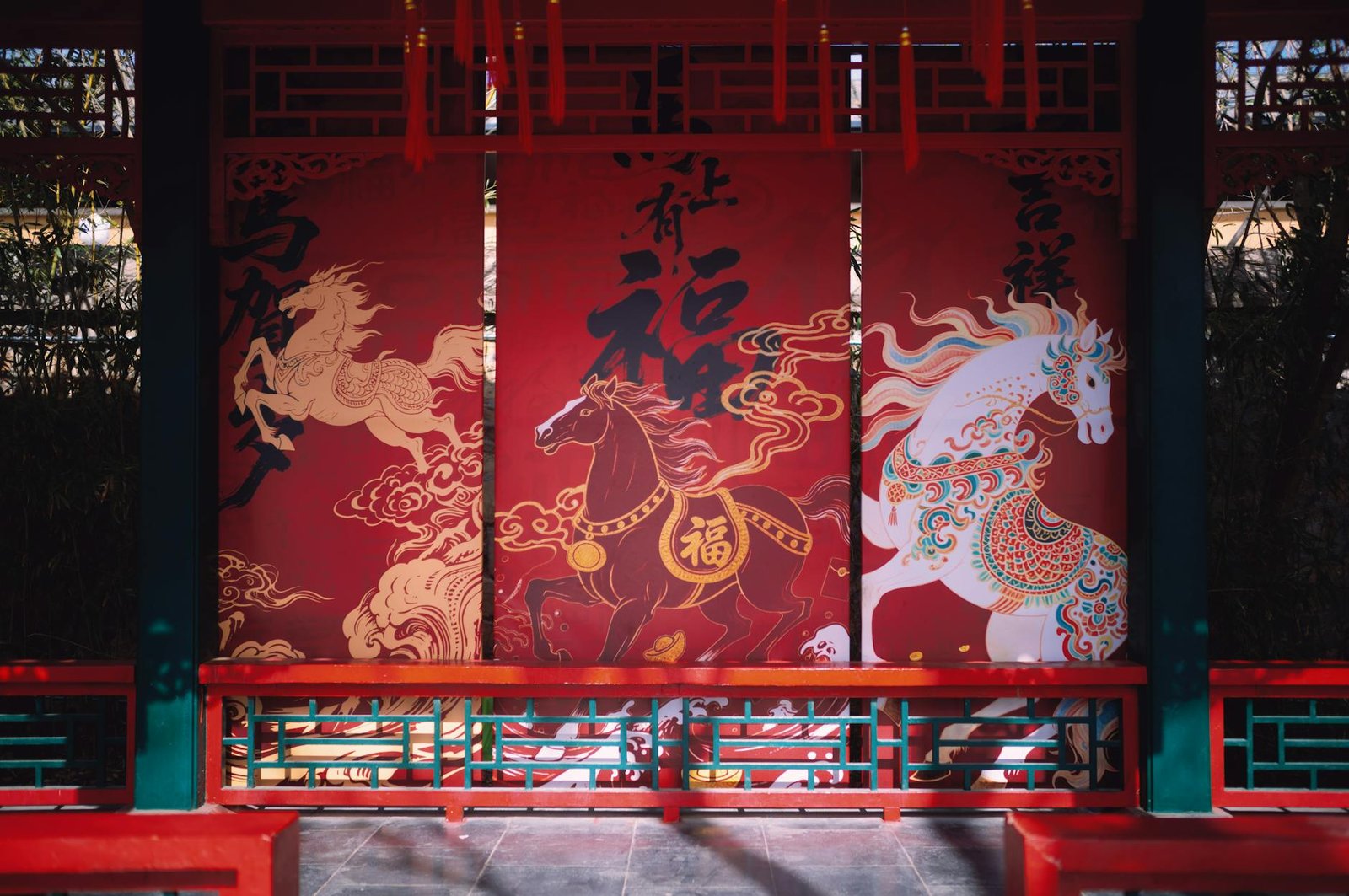
What Is It
Chinese New Year, also known as the Lunar New Year or Spring Festival, is the most important celebration in Chinese culture, marking the beginning of a new year on the lunar calendar. In 2026, it falls on January 29th, ushering in the Year of the Snake. This ancient festival dates back over 4,000 years and originated from hunting expeditions where people would gather to celebrate successful harvests and pray for good fortune in the coming year. The celebration is deeply rooted in Chinese mythology, particularly the legend of a beast called "Nian" that was scared away by loud noises and red decorations.
Chinese New Year holds profound significance as it represents renewal, family reunion, and the continuation of ancestral traditions. During this period, Chinese people worldwide clean their homes to sweep away bad luck, decorate with red lanterns and couplets symbolizing prosperity, and engage in family gatherings that strengthen social bonds. The festival encompasses spiritual beliefs, cultural practices, and communal values that have remained largely unchanged despite modernization. It is not merely a holiday but a comprehensive cultural phenomenon that reflects the Chinese philosophy of harmony between humans, nature, and the cosmos.
Where & When
Beijing, the capital of China, is the premier destination for experiencing Chinese New Year celebrations with grandeur and authenticity. The main festivities run from January 29 to February 17, 2026, with peak celebrations occurring during the first week (January 29 - February 6). Key venues include the Temple Fairs at Ditan Park (Chaoyang District), Longtan Lake Park (Chaoyang District), and the historic Badaling area. The Forbidden City and Summer Palace host special cultural exhibitions and traditional performances throughout the festival period.
Beijing Capital International Airport (PEI) is the primary entry point, located 25 kilometers northeast of the city center. From the airport, take the Airport Express train (approximately €4) to reach central Beijing in 20 minutes, or use taxis (€15-25). The city's extensive subway system (single journey €0.50-1) connects all major festival venues. Most celebrations are free to access, though some premium temple fairs charge entry fees of €3-5. The best time to visit is during the first three days of the festival (January 29-31) for the most vibrant atmosphere, though crowds are substantial.
What to Expect
Beijing's Chinese New Year celebrations present an immersive cultural experience combining ancient traditions with contemporary festivities. Temple fairs feature traditional performances including lion dances, dragon parades, and acrobatics that date back centuries. At Ditan Park, expect elaborate stage performances, folk art demonstrations, and traditional snack vendors selling fried dough, glutinous rice balls, and candied fruits. The atmosphere crackles with energy as thousands of locals and tourists gather, creating a vibrant, joyous environment filled with laughter and celebration.
Iconic activities include visiting ornate temple fairs decorated with millions of red lanterns, watching fireworks displays (though officially restricted in central Beijing, private venues host shows), and participating in traditional games and fortune-telling booths. The culinary experience is exceptional—street vendors offer dumplings, spring rolls, and regional specialties while restaurants serve reunion dinner menus featuring auspicious dishes like whole fish (symbolizing completeness) and longevity noodles. Cultural performances showcase Peking Opera, traditional music, and martial arts exhibitions. Crowds typically swell to 50,000-100,000 people daily at major temple fairs, creating an energetic but occasionally overwhelming atmosphere. The celebration embodies the festive spirit with red lanterns illuminating streets, shops displaying traditional decorations, and spontaneous celebrations erupting throughout the city.
Practical Tips
- Budget: Chinese New Year is entirely free to experience. Temple fair entry is typically free or €2-5. Budget €15-30 daily for authentic street food and snacks, €20-40 for sit-down meals at local restaurants. Accommodation and transport are the primary expenses.
- Booking: Reserve hotels 2-3 months in advance as prices triple during festival period (€80-200+ per night). Book train or flight tickets immediately upon planning, as domestic travel is extremely congested.
- What to Wear: Layer clothing as Beijing temperatures range from -5°C to 5°C (23-41°F). Wear comfortable walking shoes as you'll traverse crowded venues for hours. Red clothing is auspicious; many locals wear red jackets or scarves.
- Where to Stay: Stay in Chaoyang or Dongcheng districts near major temple fairs. Budget hotels like Home Inns (€40-60) offer good value. Avoid staying too far from subway lines, as taxi queues become enormous.
- Visit Early Morning: Arrive at temple fairs before 10 AM to avoid peak crowds (200,000+ people accumulate by afternoon). Morning visits offer better photo opportunities and shorter food vendor queues.
- Bring Cash: While mobile payments dominate, some traditional vendors prefer cash. Carry €50-100 in small notes for vendors.
- Respect Traditions: Avoid sweeping or giving clocks as gifts (inauspicious). Don't wear white or black clothing, considered unlucky colors during celebrations.
Cos'è
Il Capodanno Cinese, noto anche come Capodanno Lunare o Festival di Primavera, è la celebrazione più importante della cultura cinese, segnando l'inizio di un nuovo anno secondo il calendario lunare. Nel 2026, cade il 29 gennaio, inaugurando l'Anno del Serpente. Questo antico festival risale a oltre 4.000 anni fa e ha origine dalle spedizioni di caccia dove le persone si riunivano per celebrare i raccolti riusciti e pregare per la fortuna nell'anno a venire. La celebrazione è profondamente radicata nella mitologia cinese, in particolare nella leggenda di una bestia chiamata "Nian" che veniva spaventata dai rumori forti e dalle decorazioni rosse.
Il Capodanno Cinese ha un significato profondo poiché rappresenta il rinnovamento, la riunione familiare e la continuazione delle tradizioni ancestrali. Durante questo periodo, i cinesi di tutto il mondo puliscono le loro case per allontanare la sfortuna, decorano con lanterne rosse e distici che simboleggiano la prosperità, e si impegnano in riunioni familiari che rafforzano i legami sociali. Il festival racchiude credenze spirituali, pratiche culturali e valori comunitari che sono rimasti largamente immutati nonostante la modernizzazione. Non è semplicemente una festa, ma un fenomeno culturale completo che riflette la filosofia cinese dell'armonia tra gli esseri umani, la natura e il cosmo.
Dove e Quando
Pechino, la capitale della Cina, è la destinazione principale per sperimentare le celebrazioni del Capodanno Cinese con grandiosità e autenticità. I festeggiamenti principali si svolgono dal 29 gennaio al 17 febbraio 2026, con le celebrazioni più intense durante la prima settimana (29 gennaio - 6 febbraio). I principali luoghi includono le Fiere dei Templi al Parco Ditan (Distretto di Chaoyang), al Parco del Lago Longtan (Distretto di Chaoyang) e nell'area storica di Badaling. La Città Proibita e il Palazzo d'Estate ospitano esposizioni culturali speciali e rappresentazioni tradizionali durante tutto il periodo festivo.
L'Aeroporto Internazionale di Pechino Capital (PEI) è il principale punto di ingresso, situato a 25 chilometri a nordest del centro città. Dall'aeroporto, prendete il treno Airport Express (circa €4) per raggiungere il centro di Pechino in 20 minuti, o utilizzate i taxi (€15-25). L'esteso sistema di metropolitana della città (singolo viaggio €0,50-1) collega tutti i principali luoghi festivi. La maggior parte delle celebrazioni è gratuita, anche se alcune fiere dei templi premium applicano tariffe di ingresso di €3-5. Il momento migliore per visitare è durante i primi tre giorni del festival (29-31 gennaio) per l'atmosfera più vibrante, sebbene la folla sia considerevole.
Cosa Aspettarsi
Le celebrazioni del Capodanno Cinese a Pechino presentano un'esperienza culturale immersiva che combina tradizioni antiche con festeggiamenti contemporanei. Le fiere dei templi presentano rappresentazioni tradizionali tra cui danze di leoni, parate di draghi e acrobazie che risalgono a secoli fa. Al Parco Ditan, aspettatevi elaborate esibizioni di palco, dimostrazioni di arti popolari e venditori di snack tradizionali che vendono paste fritte, palline di riso glutinoso e frutta candita. L'atmosfera scintilla di energia poiché migliaia di residenti e turisti si riuniscono, creando un ambiente vibrante e gioioso pieno di risate e celebrazioni.
Le attività iconiche includono la visita a fiere di templi ornate decorate con milioni di lanterne rosse, l'osservazione di spettacoli pirotecnici e la partecipazione a giochi tradizionali e cabine di lettura della fortuna. L'esperienza culinaria è eccezionale: i venditori di strada offrono ravioli, involtini di primavera e specialità regionali mentre i ristoranti servono menu di cena di riunione con piatti propizi come il pesce intero (simboleggiante la completezza) e i noodles della longevità. Le esibizioni culturali presentano l'Opera di Pechino, la musica tradizionale e le esibizioni di arti marziali. Le folle raggiungono tipicamente 50.000-100.000 persone al giorno alle principali fiere dei templi, creando un'atmosfera energica ma occasionalmente travolgente. La celebrazione incarna lo spirito festivo con lanterne rosse che illuminano le strade, negozi che espongono decorazioni tradizionali e celebrazioni spontanee che scoppiettano in tutta la città.
Consigli Pratici
- Budget: Il Capodanno Cinese è completamente gratuito da sperimentare. L'ingresso alla fiera dei templi è tipicamente gratuito o €2-5. Budget €15-30 giornalieri per snack e cibo autentico di strada, €20-40 per pasti in ristoranti locali. L'alloggio e i trasporti sono le spese primarie.
- Prenotazioni: Prenotate gli hotel 2-3 mesi in anticipo poiché i prezzi triplicano durante il periodo festivo (€80-200+ a notte). Prenotate i biglietti del treno o del volo immediatamente al momento della pianificazione, poiché i viaggi domestici sono estremamente congestionati.
- Cosa Indossare: Vestite a strati poiché le temperature di Pechino vanno da -5°C a 5°C (23-41°F). Indossate scarpe comode da passeggio poiché camminerete attraverso luoghi affollati per ore. L'abbigliamento rosso è propizio; molti residenti indossano giacche rosse o sciarpe.
- Dove Stare: Restate nei distretti di Chaoyang o Dongcheng vicino alle principali fiere dei templi. Gli hotel budget come Home Inns (€40-60) offrono buon valore. Evitate di stare troppo lontani dalle linee della metropolitana, poiché le code dei taxi diventano enormi.
- Visitate al Mattino Presto: Arrivate alle fiere dei templi prima delle 10 del mattino per evitare le folle di punta (200.000+ persone si accumulano nel pomeriggio). Le visite mattutine offrono migliori opportunità fotografiche e code più corte dai venditori di cibo.
- Portate Contanti: Mentre i pagamenti mobili dominano, alcuni venditori tradizionali preferiscono contanti. Portate €50-100 in banconote piccole per i venditori.
- Rispettate le Tradizioni: Evitate di spazzare o regalare orologi (inauspicati). Non indossate abbigliamento bianco o nero, considerati colori sfortunati durante le celebrazioni.
Qué Es
El Año Nuevo Chino, también conocido como Año Nuevo Lunar o Festival de Primavera, es la celebración más importante de la cultura china, marcando el comienzo de un nuevo año en el calendario lunar. En 2026, cae el 29 de enero, inaugurando el Año de la Serpiente. Este antiguo festival se remonta a hace más de 4.000 años y se originó en expediciones de caza donde la gente se reunía para celebrar cosechas exitosas y rezar por la buena fortuna en el año venidero. La celebración está profundamente arraigada en la mitología china, particularmente en la leyenda de una bestia llamada "Nian" que era asustada por ruidos fuertes y decoraciones rojas.
El Año Nuevo Chino tiene un significado profundo ya que representa la renovación, la reunión familiar y la continuación de las tradiciones ancestrales. Durante este período, los chinos en todo el mundo limpian sus hogares para barrer la mala suerte, decoran con linternas rojas y textos auspiciosos que simbolizan la prosperidad, y participan en reuniones familiares que fortalecen los lazos sociales. El festival abarca creencias espirituales, prácticas culturales y valores comunitarios que han permanecido en gran medida sin cambios a pesar de la modernización. No es simplemente un día festivo sino un fenómeno cultural completo que refleja la filosofía china de armonía entre los humanos, la naturaleza y el cosmos.
Dónde y Cuándo
Pekín, la capital de China, es el destino principal para experimentar las celebraciones del Año Nuevo Chino con grandiosidad y autenticidad. Las festividades principales se extienden del 29 de enero al 17 de febrero de 2026, con celebraciones máximas durante la primera semana (29 de enero - 6 de febrero). Los lugares principales incluyen las Ferias de Templos en el Parque Ditan (Distrito de Chaoyang), el Parque del Lago Longtan (Distrito de Chaoyang) y el área histórica de Badaling. La Ciudad Prohibida y el Palacio de Verano albergan exposiciones culturales especiales y representaciones tradicionales durante todo el período festivo.
El Aeropuerto Internacional de Pekín Capital (PEI) es el punto de entrada principal, ubicado a 25 kilómetros al noreste del centro de la ciudad. Desde el aeropuerto, tome el tren Airport Express (aproxim
Was Ist Es
Das Chinesische Neujahr, auch Frühlingsfest genannt, ist das wichtigste Fest in China und wird nach dem Mondkalender gefeiert. 2026 beginnt das Jahr des Pferdes am 29. Januar. Dieses über 4.000 Jahre alte Fest symbolisiert Neubeginn, Familieneinheit und Wohlstand. Es verbindet traditionelle Bräuche wie Feuerwerk, Familientreffen und festliche Mahlzeiten. Das Festival spiegelt die tiefe Verbindung der Chinesen zur Natur und zum Kosmos wider.
Wo und Wann
Das Festival findet vom 29. Januar bis 17. Februar 2026 in Beijing und ganz China statt. Beijing bietet zahlreiche Veranstaltungsorte: Der Tempel-Jahrmarkt (Miao Hui) im Ditan Park, Longtan Lake Park und der Summer Palace sind beliebte Ziele. Die Anreise erfolgt per Flugzeug zu Beijings internationalem Flughafen oder mit dem Hochgeschwindigkeitszug. U-Bahn-Linien verbinden die Stadt effizient. Die Haupttage sind die ersten zwei Wochen nach Neujahr.
Was Erwartet Sie
Erleben Sie bunte Tempel-Jahrmärkte mit traditionellen Speisen, Kunsthandwerk und Performances. Besucher können Drachentänze, Löwentänze und traditionelle Musik-Aufführungen sehen. Familienorientierte Aktivitäten umfassen das Erlernen von Papierschnitt-Techniken und traditionellem Malerei. Lantern Shows illuminieren Parks nach Einbruch der Dunkelheit. Beliebte Gerichte wie Jiaozi (Dumplings) und Nian Gao (Klebkuchen) können überall gekostet werden. Die festliche Atmosphäre mit roten Dekorationen und Glückssymbolen erfüllt die gesamte Stadt.
Praktische Tipps
- Kostenlos besuchen: Viele öffentliche Veranstaltungen und Tempel-Jahrmärkte sind kostenlos oder kosten minimal Eintritt
- Zeitig ankommen: Parks füllen sich schnell; besuchen Sie morgens für bessere Erlebnisse
- Bargeld mitnehmen: Kleine Händler akzeptieren möglicherweise nur Bargeld oder WeChat Pay
- Wärmere Kleidung tragen: Januar/Februar in Beijing ist kalt; mehrschichtige Kleidung ist essenziell
- Öffentliche Verkehrsmittel nutzen: Taxis sind überlastet; U-Bahn und Busse sind schneller und kosteneffizienter
O Que É
O Ano Novo Chinês, também conhecido como Festival da Primavera, é a celebração mais importante da China, regida pelo calendário lunar. Em 2026, marca o início do Ano do Cavalo em 29 de janeiro. Este festival milenar, com mais de 4.000 anos, representa renovação, unidade familiar e prosperidade. Tradições incluem fogos de artifício, reuniões familiares e refeições festivas. O festival reflete a profunda conexão dos chineses com a natureza e o cosmos, celebrando ciclos de renovação e abundância.
Onde e Quando
O festival ocorre de 29 de janeiro a 17 de fevereiro de 2026 em Beijing e em toda a China. Beijing oferece diversos locais: o Temple Fair (Miao Hui) no Ditan Park, Longtan Lake Park e o Summer Palace. Chegue pelo aeroporto internacional de Beijing ou trem de alta velocidade. O metrô conecta eficientemente a cidade. Os dias principais são as primeiras duas semanas após o Ano Novo. A melhor época é nos primeiros sete dias para experiências autênticas e menos multidão.
O Que Esperar
Experimente coloridas feiras de templos com comida tradicional, artesanato e apresentações. Veja danças de dragão, danças de leão e música tradicional. Atividades incluem aprender técnicas de corte de papel e pintura clássica. Lanternas iluminam parques à noite. Saboreie pratos como Jiaozi (bolinhos) e Nian Gao (bolo pegajoso). A atmosfera festiva com decorações vermelhas e símbolos de boa sorte invade toda a cidade. Fogos de artifício ocasionais (em áreas permitidas) e performances acrobáticas emocionam espectadores.
Dicas Praticas
- Acesso gratuito: Muitos eventos públicos e feiras de templos são gratuitos ou custam pouco
- Chegue cedo: Parques lotam rapidamente; visite pela manhã para melhor experiência
- Leve dinheiro em espécie: Pequenos comerciantes podem aceitar apenas dinheiro ou WeChat Pay
- Use roupas quentes: Janeiro/fevereiro em Beijing é frio; vista-se em camadas
- Use transporte público: Táxis ficam congestionados; metrô e ônibus são mais rápidos e econômicos
Что Это
Китайский Новый год, также известный как Праздник Весны, - это самый важный праздник в Китае, отмечаемый по лунному календарю. В 2026 году начинается Год Лошади 29 января. Этот древний праздник, существующий более 4000 лет, символизирует возрождение, семейное единство и процветание. Традиции включают фейерверки, семейные собрания и праздничные банкеты. Фестиваль отражает глубокую связь китайского народа с природой и космосом, отмечая циклы обновления и изобилия.
Где и Когда
Фестиваль проходит с 29 января по 17 февраля 2026 года в Пекине и по всему Китаю. Пекин предлагает множество мест: Храмовый ярмарок (Miao Hui) в парке Ditan, озеро Longtan и Летний дворец. Приезжайте международным аэропортом Пекина или скоростным поездом. Метро эффективно соединяет город. Основные дни - первые две недели после Нового года. Лучше всего посещать в первые семь дней для аутентичного опыта.
Чего Ожидать
Посетите красочные храмовые ярмарки с традиционной едой, ремеслами и представлениями. Смотрите танцы драконов, танцы львов и традиционную музыку. Деятельность включает обучение искусству вырезания бумаги и классической живописи. Фонари освещают парки вечером. Попробуйте блюда как Цзяоцзы (пельмени) и Нянь Гао (липкий торт). Праздничная атмосфера с красными украшениями и символами удачи наполняет весь город. Случайные фейерверки и акробатические представления восхищают зрителей.
Практические Советы
- Бесплатный доступ: Многие общественные мероприятия и храмовые ярмарки бесплатны или стоят недорого
- Приходите рано: Парки заполняются быстро; посещайте по утрам для лучшего опыта
- Берите наличные: Мелкие торговцы могут принимать только наличные или WeChat Pay
- Надевайте теплую одежду: Январь/февраль в Пекине холодные; одевайтесь слоями
- Используйте общественный транспорт: Такси перегружены; метро и автобусы быстрее и экономичнее
Що Це
Китайський Новий рік, також відомий як Свято Весни, - це найважливіше святкування в Китаї, що відзначається за лунним календарем. У 2026 році починається Рік Коня 29 січня. Це давнє свято, яке існує понад 4000 років, символізує відродження, сімейну єдність і процвітання. Традиції включають феєрверки, сімейні зібрання та святкові банкети. Фестиваль відображає глибокий зв'язок китайського народу з природою та космосом, відзначаючи цикли оновлення й достатку.
Де i Коли
Фестиваль проходить з 29 січня по 17 лютого 2026 року в Пекіні та по всьому Китаю. Пекін пропонує багато місць: Храмовий ярмарок (Miao Hui) у парку Ditan, озеро Longtan і Літній палац. Приїжджайте міжнародним аеропортом Пекіна або високошвидкісним поїздом. Метро ефективно з'єднує місто. Основні дні - перші два тижні після Нового року. Найкраще відвідувати перші сім днів для автентичного досвіду та менше натовпу.
Чого Очiкувати
Відвідайте барвисті храмові ярмарки з традиційною їжею, ремеслами й виступами. Дивіться танці драконів, танці левів і традиційну музику. Заходи включають навчання мистецтву вирізання паперу й класичного живопису. Фонарики освітлюють парки ввечері. Спробуйте страви як Цзяоцзи (пельмені) та Ньян Гао (липкий пиріг). Святкова атмосфера з червоними прикрасами й символами удачі наповнює весь город. Випадкові феєрверки й акробатичні виступи вражають глядачів.
Практичнi Поради
- Безплатний доступ: Багато громадських заходів і храмових ярмарків безплатні або коштують дешево
- Приходьте рано: Парки швидко заповнюються; відвідуйте вранці для кращого досвіду
- Беріть готівку: Дрібні торговці можуть приймати тільки готівку або WeChat Pay
- Одягайте теплий одяг: Січень/лютий у Пекіні холодні; одягайтесь шарами
- Використовуйте громадський транспорт: Таксі перевантажені; метро й автобуси швидше й економічніше
活动简介
中国春节(农历新年)是中国最重要的传统节日,遵循农历。2026年1月29日迎来马年的开始。这个拥有超过4000年历史的古老节日象征着新生、家庭团聚与繁荣。传统庆祝活动包括放烟火、家庭聚餐和盛大宴会。春节体现了中国人民与自然及宇宙的深层联系,庆祝生命更新和物质丰富的循环。这是一个充满希望、温暖和传统文化的时刻。
地点与时间
春节庆祝活动从2026年1月29日至2月17日在北京及全国各地举行。北京提供多个最佳地点:地坛公园庙会、龙潭湖公园和颐和园。可乘坐飞机抵达北京国际机场或乘坐高铁到达。地铁系统高效便捷,连接城市各地。节日的主要时期是农历新年后的前两周,其中前七天体验最为浓厚,人气也较为拥挤。
期待什么
游客可以享受色彩斑斓的庙会,品尝传统美食、欣赏民间工艺品展示和文化表演。精彩看点包括龙灯舞、狮子舞和传统民乐演奏。参与者可以学习剪纸艺术和书法绘画。傍晚时,公园里会有壮观的灯笼展示和花灯游行。游客可品尝饺子(Jiaozi)和年糕(Nian Gao)等传统美食。整个城市被红色装饰和吉
Plan your trip to Global / Beijing, China
Our AI concierge can help you with flights, hotels, restaurants and a complete itinerary.
Start Planning →